Effects of Alcohol on the Family and Society

Consuming alcohol is a socially accepted activeness. From happy hours to family gatherings, alcoholic beverages are a common staple at social events geared toward adults. However, booze consumption is non without risk. That is, some individuals may consume an unhealthy amount of alcohol, or detect that they are living with an habit to it. With this in mind, nosotros are taking a look at alcohol-related disorders, including alcoholism, which, oftentimes, are illnesses that folks are not entirely aware of, even if they are actively impacting their lives and health.
What Is Alcohol Use Disorder?
Alcohol Use Disorder (AUD) is a spectrum of illness caused by the consumption of excess alcohol. AUD tin can be mild, moderate or astringent and is characterized by cravings for booze; a loss of command over how much or how often booze is consumed; an increased tolerance to the effects of alcohol; and a development of negative physical or psychological symptoms if alcohol is not consumed. Severe forms of AUD are usually referred to as alcoholism or alcohol addiction, which occurs when an individual has a dependence on alcohol consumption.
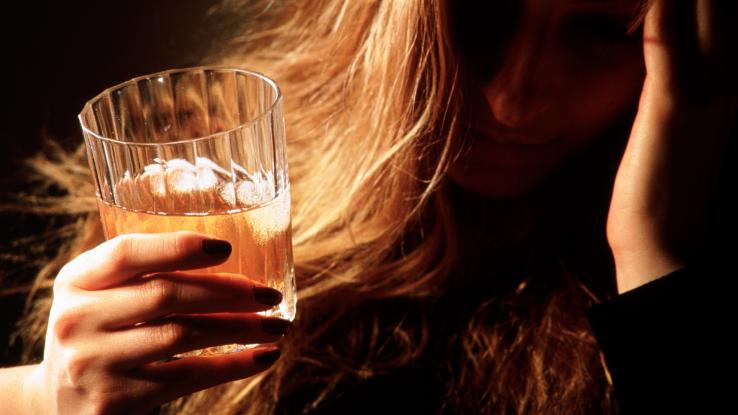
Much like any other drug addiction, alcoholism causes an individual living with it to have an uncontrollable want to consume excessive quantities of booze. Alcoholism tends to develop as a result of a period of alcohol corruption or consumption of unhealthy amounts of alcohol. Unhealthy consumption can refer to the sheer volume of alcoholic beverages consumed in one sitting, or the frequency in which alcohol is consumed on a weekly basis.
The 2020-2025 Dietary Guidelines for Americans recommend keeping to a limit of two (2) or less drinks per solar day for men and one (i) or less drink per solar day for women.
I alcoholic drink contains 14g (0.6oz) of pure alcohol. Examples of 1 alcoholic drink include:
- 12 fluid ounces of regular beer (v% booze)
- one.v fluid ounces of liquor (forty% alcohol)
- 5 fluid ounces of wine (12% alcohol)
Binge Drinking
Binge drinking is divers by The Substance Corruption and Mental Health Services Administration (SAMSA) as consuming five (5) or more drinks in a day for men, or 4 (iv) or more than drinks in a mean solar day for women.
Heavy Alcohol Use
SAMSA defines heavy alcohol utilise every bit engaging in binge drinking on five (5) or more days in a month. Exceeding daily recommended limits, binge drinking, and heavy alcohol use are all associated with the evolution of alcohol-related health issues.
Causes & Risk Factors
At that place is no specific crusade that leads to the development of an AUD. A person can develop a status over time due to various factors in their life. Some studies have suggested a correlation between booze employ disorders and genetics. However, an inherited dependency on alcohol can besides stem from existence around a parental effigy who is abusing alcohol or dealing with alcoholism. In other words, it is difficult to make up one's mind whether alcoholism is, indeed, inherited or influenced by environmental factors.

Risk factors for the development for alcoholism include:
- Having a parent who lives with alcoholism
- Low self-esteem
- Relationship issues
- Stress
- Low
- Being surrounded by people who suffer from alcohol use disorders, including alcoholism
- Easy access to alcohol
- Suffering from hardships, especially economic or emotional hardships
- Live in an environment where excessive booze consumption is non only accepted, but encouraged
Signs & Symptoms
Mutual signs of alcoholism include:
- High irritability or emotional distress unless alcohol is being consumed
- Endangering oneself for the sake of drinking (drunkard driving, drinking with a wellness condition)
- Inability to control the consumption of alcohol
- Drinking lone
- Constantly looking for excuses to consume alcohol
- Using alcohol for celebratory purposes (drinking subsequently a good solar day at work)
- Using alcohol to gratify a troubling situation (drinking after a bad twenty-four hour period at work)
- Disability to resist booze at the mere sight or smell of it
- Hiding the addiction
- Condign fierce or emotionally unstable while drinking
- Missing work, school or of import events due to constant inebriation
- Physically and emotionally neglecting oneself
- Ignoring ane'due south physical appearance, or a lack of personal hygiene

Common symptoms of alcoholism include:
- Uncontrollable shakes and tremors, specially effectually the easily after alcohol has non been consumed for a long period of time
- Retentivity loss
- Blacking out
- Disability to think clearly
- Mood swings
- Constantly smelling like alcohol
- Feet
- Indisposition
Many of these symptoms fall under the category of alcohol withdrawal. Any person who is showing significant signs and symptoms of alcoholism needs to seek out professional person help immediately.
Treatment for AUD & Alcoholism
While the main treatment for alcoholism is to stop drinking completely, i may find that the addiction to alcohol is and then stiff that quitting is difficult, peculiarly without professional person assist. If the booze dependency is not besides severe, a person can beginning slowly reducing the amount of booze that they are consuming on a weekly ground to more moderate levels.

However, those who take been living with alcoholism for quite some fourth dimension may take a much more challenging fourth dimension when it comes to managing their habit. Treatment centers and facilities are available to assist with severe cases of alcoholism.
In fact, just going without a single drop of alcohol in an addict's system for 24 hours is plenty to crusade a severe case of booze withdrawal, besides known as delirium tremens. This can consequence in:
- Fever
- Seizures
- Astringent confusion and agitation
- Hallucinations
- Loss of bodily role
It is for this reason that professional assistance is necessary when it comes to helping a person with alcoholism wean off alcohol. Once that person'due south health is stabilized, they may be released from a treatment facility into the care of friends or family unit members. However, the treatment does not stop there; every bit with whatever addiction, there is no "cure." Instead, one must manage their addiction in order to forestall a relapse. Support groups for those going through alcohol recovery can be a crucial component when it comes to preventing a relapse. These programs offer peer support via counselors, mentors, and other folks who are dealing with alcohol dependency.
Those concerned about themselves, or a loved i who is living with alcoholism, should speak with a doc or healthcare professional for further aid.
Resource Links:
- "Alcohol Use Disorder" via Medline Plus
- "Alcohol Employ Disorder" via National Establish on Alcohol Abuse and Alcoholism
- "Drinking Levels Defined" via National Plant on Alcohol Abuse and Alcoholism
- "Booze" via Centers for Illness Control and Prevention (CDC)
- "Alcohol misuse" via National Health Service
- "2020 – 2025 Dietary Guidelines for Americans" via U.Southward. Department of Agronomics and U.S. Department of Health and Human being Services
- "Alcohol Utilize Disorder" via BMJ Best Practice
- "Booze utilise disorder" via Mayo Clinic
Source: https://www.symptomfind.com/health/alcoholism-condition?utm_content=params%3Ao%3D740013%26ad%3DdirN%26qo%3DserpIndex
0 Response to "Effects of Alcohol on the Family and Society"
Postar um comentário